

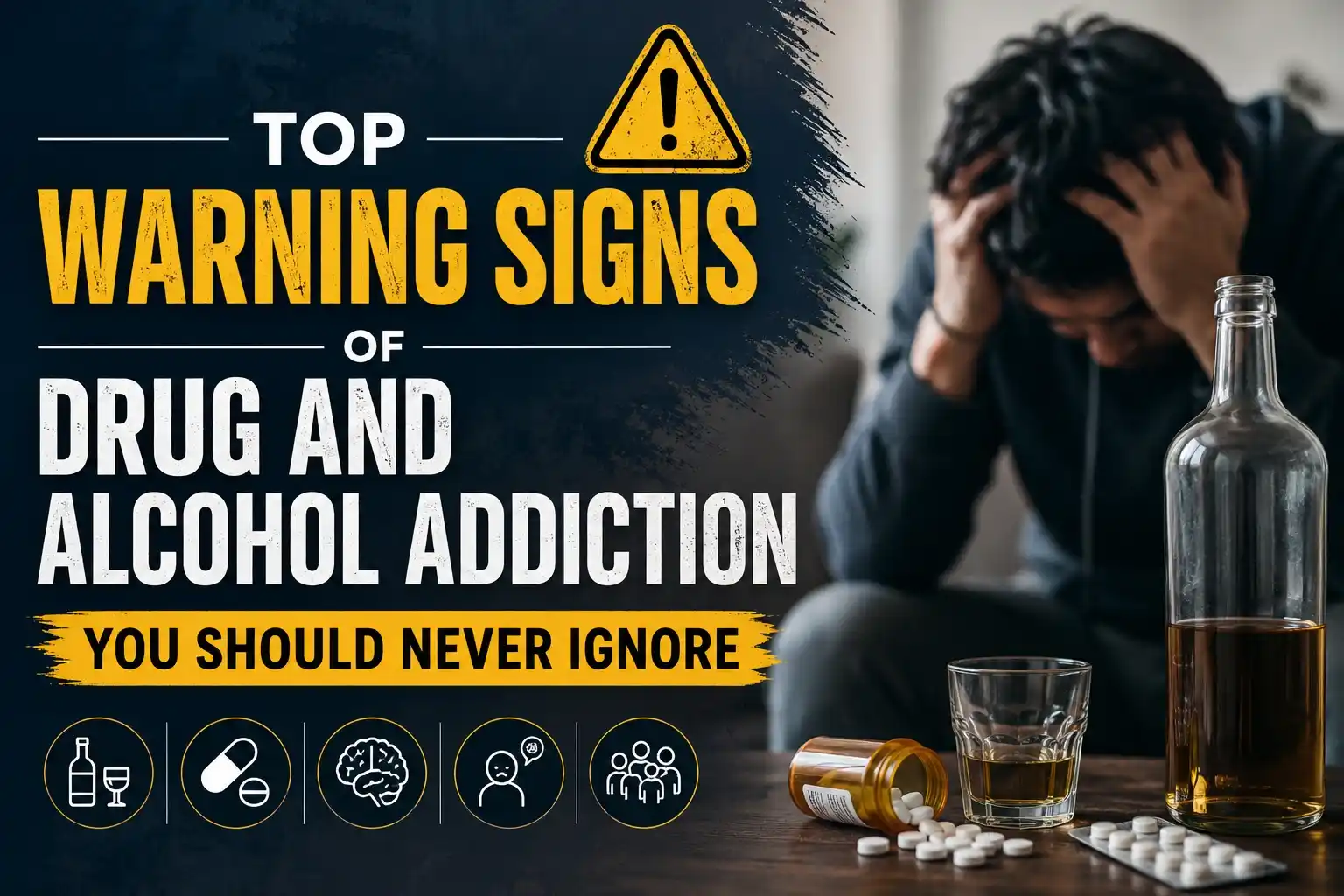
Top Warning Signs of Drug and Alcohol Addiction You Should Never Ignore
Drug and alcohol addiction can affect anyone, regardless of age, background, or lifestyle. Often, the signs of addiction develop gradually, making them difficult to recognize until they begin to significantly impact a person’s health, relationships, and daily life. Identifying the warning signs early can make a crucial difference in helping someone receive the support and treatment they need.
Understanding Addiction
Addiction is a chronic condition characterized by the inability to stop using a substance despite its harmful consequences. It affects both the brain and behavior, often leading individuals to prioritize substance use over their personal responsibilities, relationships, and well-being.
Common Warning Signs of Drug and Alcohol Addiction
1. Sudden Changes in Behavior
One of the earliest signs of addiction is a noticeable change in behavior. Individuals may become secretive, withdrawn, irritable, or unusually defensive when questioned about their activities or substance use.
2. Neglecting Responsibilities
People struggling with addiction often have difficulty maintaining their responsibilities at work, school, or home. Missed deadlines, declining performance, and lack of interest in previously important tasks can be warning signs.
3. Changes in Physical Appearance
Substance abuse frequently affects physical health. Common indicators include:
- Unexplained weight loss or gain
- Bloodshot eyes
- Poor personal hygiene
- Frequent fatigue
- Tremors or shaking
- Unusual body odor or breath smell
4. Mood Swings and Emotional Instability
Addiction can cause dramatic mood changes. Individuals may experience anxiety, depression, anger, irritability, or sudden emotional outbursts that seem out of character.
5. Increased Tolerance
Over time, a person may need larger amounts of drugs or alcohol to achieve the same effects. Increased tolerance is a strong indicator that substance use may be progressing toward addiction.
6. Withdrawal Symptoms
When a person experiences discomfort after reducing or stopping substance use, it may indicate dependence. Common withdrawal symptoms include:
- Nausea
- Sweating
- Restlessness
- Insomnia
- Headaches
- Anxiety
- Shaking
7. Financial Problems
Unexplained financial difficulties, frequent borrowing of money, or spending excessive amounts on alcohol or drugs can be signs of a developing addiction.
8. Loss of Interest in Activities
People battling addiction often lose interest in hobbies, social events, sports, and activities they once enjoyed. Their focus gradually shifts toward obtaining and using substances.
9. Relationship Issues
Addiction frequently causes conflicts with family members, friends, and coworkers. Trust issues, frequent arguments, and social isolation are common consequences.
10. Risky or Dangerous Behavior
Substance abuse can impair judgment and lead to risky actions such as driving under the influence, engaging in unsafe activities, or making impulsive decisions that jeopardize personal safety.
Why Early Intervention Matters
The earlier addiction is identified, the better the chances of successful recovery. Early intervention can help prevent severe physical, emotional, social, and financial consequences while providing individuals with access to professional treatment and support.
How Rehabilitation Centers Can Help
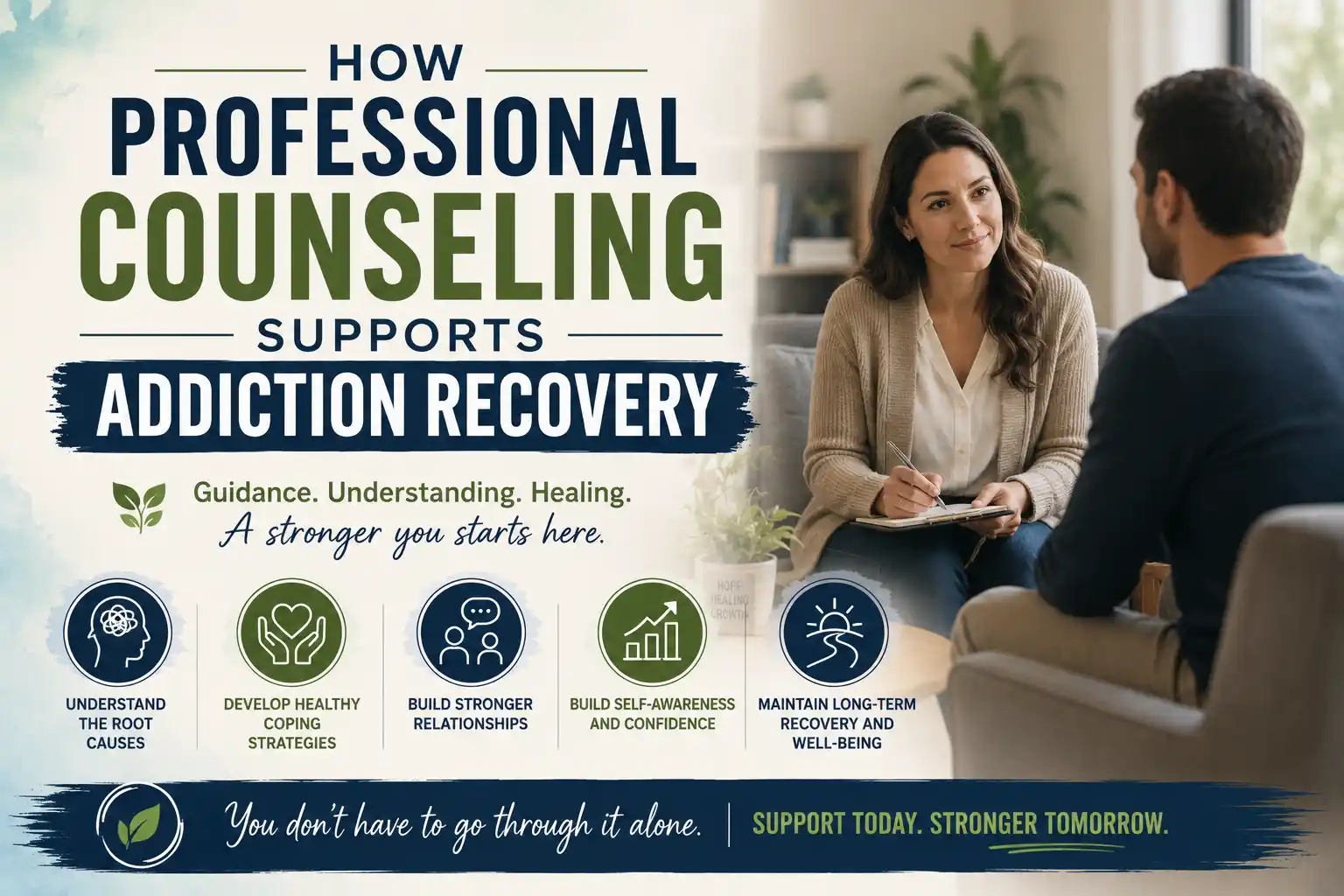
Professional rehabilitation centers offer structured programs designed to address addiction and support long-term recovery. These services may include:
- Detoxification Programs
- Individual Counseling
- Group Therapy
- Mental Health Support
- Family Counseling
- Yoga and Meditation
- Relapse Prevention Planning
- Aftercare Support
A comprehensive treatment plan can help individuals regain control of their lives and build a healthier future.
Final Thoughts
Drug and alcohol addiction often begins with subtle changes that may go unnoticed. Recognizing the warning signs early can be life-changing for both the individual and their loved ones. If you notice any of these symptoms in yourself or someone you care about, seeking professional help is an important first step toward recovery.
Remember, addiction is treatable, and recovery is possible with the right support, guidance, and commitment.