

How Professional Counseling Supports Addiction Recovery
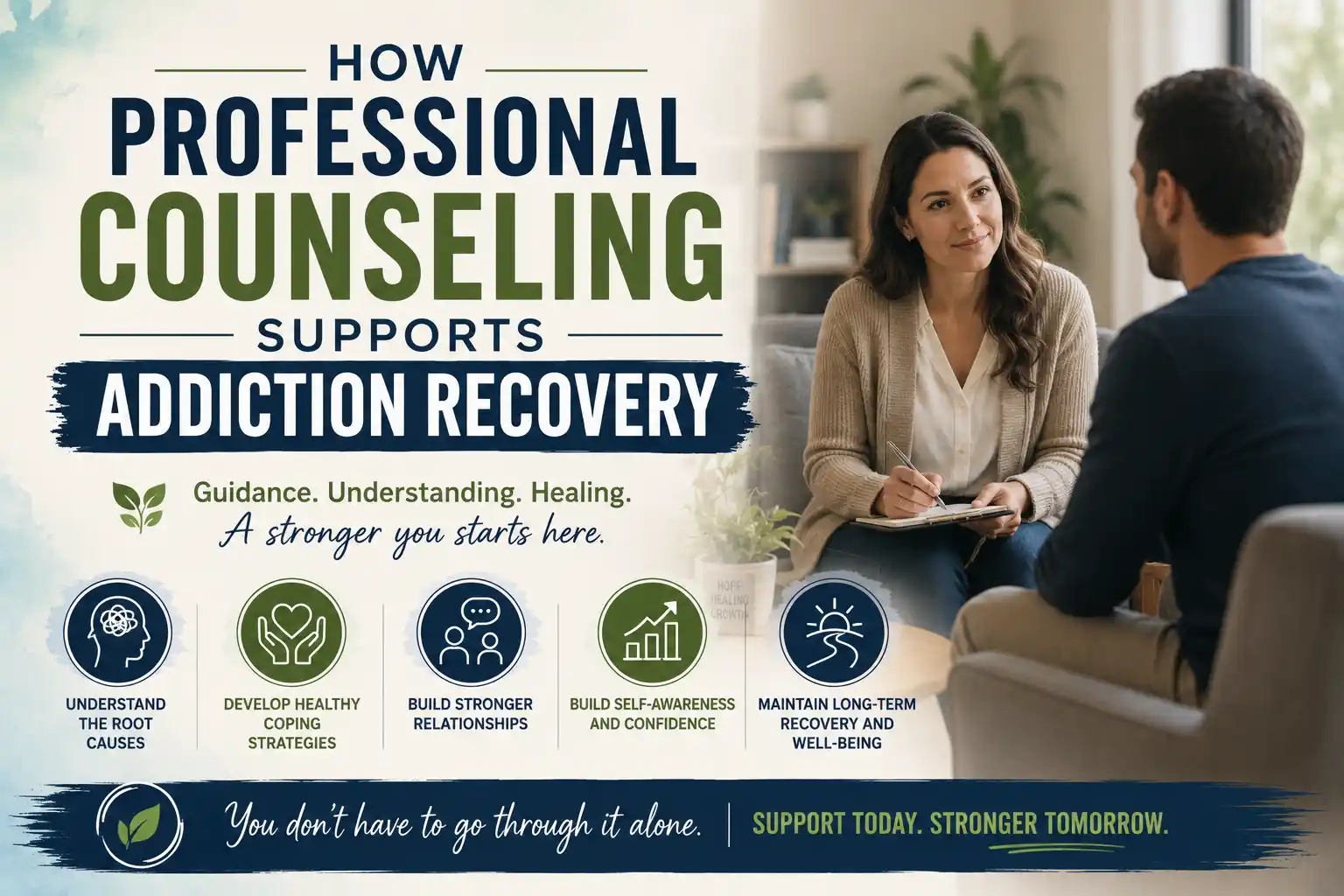
Addiction recovery is about much more than simply stopping the use of drugs or alcohol. It involves addressing the emotional, psychological, and behavioral challenges that often contribute to substance abuse. Professional counseling plays a vital role in helping individuals understand the root causes of addiction, develop healthy coping strategies, and build a strong foundation for long-term recovery.
Through personalized guidance and evidence-based therapeutic techniques, counseling empowers individuals to regain control of their lives and move toward a healthier future.
Why Counseling Is Important in Addiction Recovery
Many people struggling with addiction face underlying issues such as stress, anxiety, depression, trauma, low self-esteem, or relationship difficulties. Without addressing these challenges, maintaining recovery can become much more difficult.
Professional counseling helps individuals:
- Understand the causes of addictive behavior
- Identify triggers and risk factors
- Develop healthier coping mechanisms
- Improve emotional well-being
- Strengthen relationships
- Prevent relapse
Counseling provides a safe and supportive environment where individuals can openly discuss their experiences without fear of judgment.
Understanding the Root Causes of Addiction
Addiction rarely develops without reason. In many cases, substance use begins as a way to cope with emotional pain, stress, trauma, or mental health challenges.
Professional counselors help individuals explore:
- Past traumatic experiences
- Emotional struggles
- Family dynamics
- Stress and anxiety
- Social pressures
- Behavioral patterns
By identifying these underlying issues, individuals can begin addressing the true causes of addiction rather than simply treating the symptoms.
Developing Healthy Coping Strategies
One of the most valuable aspects of counseling is learning how to manage life’s challenges without turning to drugs or alcohol.
Counselors teach practical techniques such as:
- Stress management skills
- Emotional regulation techniques
- Problem-solving strategies
- Mindfulness practices
- Communication skills
- Conflict resolution methods
These tools help individuals navigate difficult situations while maintaining their recovery goals.
Building Self-Awareness and Confidence
Addiction can significantly impact self-esteem and personal confidence. Many individuals struggle with feelings of guilt, shame, or hopelessness during recovery.
Counseling helps patients:
- Recognize their strengths
- Set realistic goals
- Build self-confidence
- Improve decision-making skills
- Develop a positive self-image
As confidence grows, individuals become better equipped to face challenges and maintain long-term recovery.
Managing Mental Health Challenges
Mental health and addiction are often closely connected. Conditions such as depression, anxiety, post-traumatic stress disorder (PTSD), and chronic stress can contribute to substance abuse.
Professional counseling supports mental wellness by:
- Identifying emotional challenges
- Providing therapeutic interventions
- Teaching coping techniques
- Reducing stress and anxiety
- Improving overall emotional health
Addressing mental health concerns is often essential for successful recovery.
Strengthening Relationships Through Counseling
Addiction can place significant strain on relationships with family members, friends, and loved ones. Trust may be damaged, communication may break down, and emotional distance can develop over time.
Counseling can help individuals:
- Improve communication skills
- Rebuild trust
- Resolve conflicts
- Develop healthier relationships
- Strengthen family support systems
Many rehabilitation programs also include family counseling to promote healing for everyone affected by addiction.
The Role of Group Counseling
In addition to individual therapy, group counseling provides valuable opportunities for connection and support.
Benefits of group counseling include:
- Sharing experiences with others
- Learning from peer perspectives
- Reducing feelings of isolation
- Building accountability
- Creating a sense of community
Knowing that others face similar challenges can provide motivation and encouragement throughout the recovery journey.
Counseling and Relapse Prevention
Relapse prevention is a critical component of addiction recovery. Professional counselors help individuals identify situations that may increase the risk of relapse and develop strategies to manage them effectively.
Relapse prevention counseling often focuses on:
- Recognizing triggers
- Managing cravings
- Creating support networks
- Developing emergency coping plans
- Building healthy daily routines
These strategies help individuals maintain sobriety and continue progressing toward their recovery goals.
Long-Term Benefits of Professional Counseling
The benefits of counseling extend well beyond the rehabilitation process. Individuals who actively participate in counseling often experience:
- Improved emotional well-being
- Better stress management
- Stronger relationships
- Increased self-confidence
- Greater resilience
- Enhanced quality of life
Counseling provides the tools and support needed to maintain lasting recovery and personal growth.
Final Thoughts
Professional counseling is one of the most effective components of addiction recovery. By helping individuals understand the causes of addiction, develop healthy coping skills, improve mental health, and strengthen relationships, counseling creates a strong foundation for long-term success.
Recovery is a journey that requires support, guidance, and commitment. With professional counseling, individuals can overcome challenges, regain confidence, and build a healthier, more fulfilling future free from addiction.