
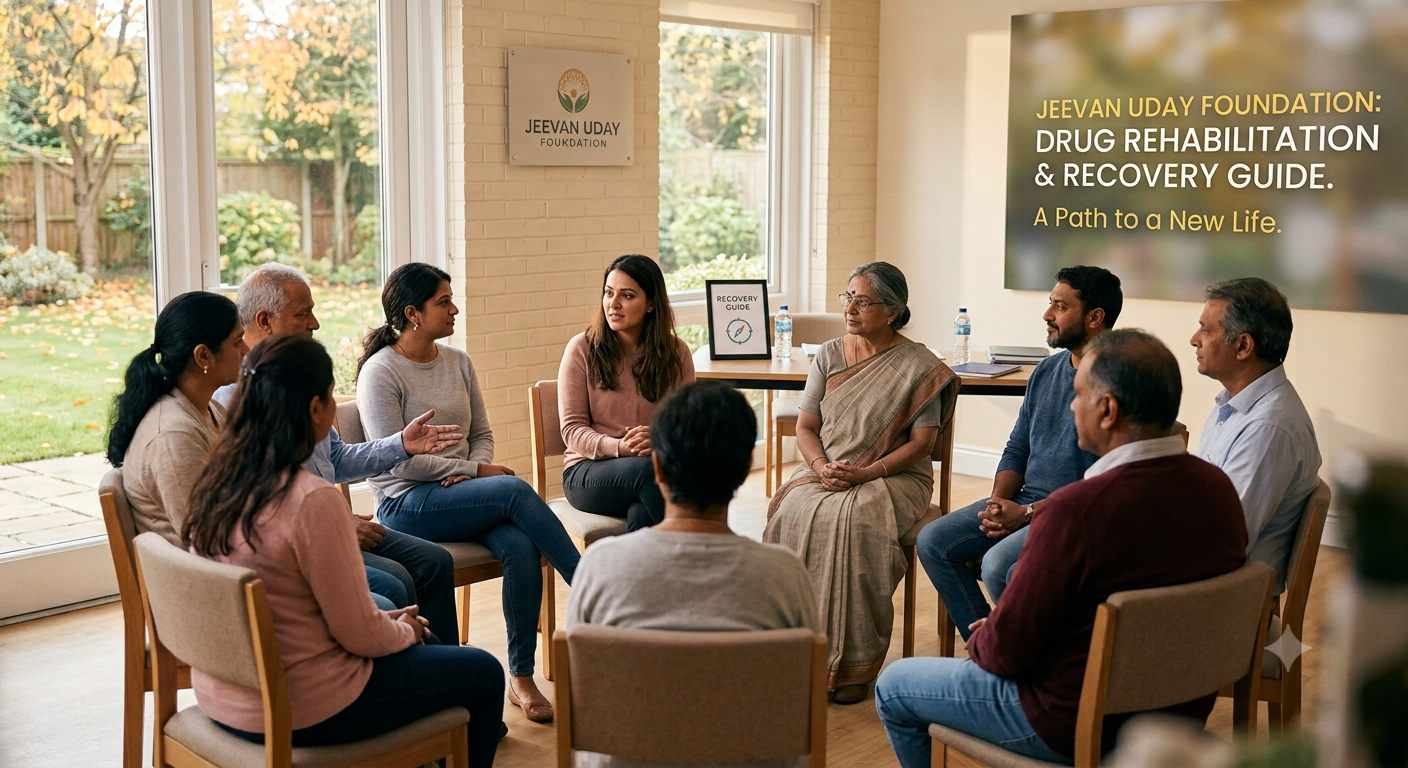
Drug Rehabilitation Centre
Drug addiction can affect a person’s health, relationships, daily responsibilities and overall quality of life. For individuals who are finding it difficult to stop using drugs on their own, a structured rehabilitation environment can provide guidance, counselling and ongoing recovery support.
A Drug Rehabilitation Centre provides a structured setting where individuals can work toward recovery with appropriate professional guidance. Rehabilitation may include counselling, recovery planning, healthy daily routines, family involvement, wellness activities and relapse-prevention support.
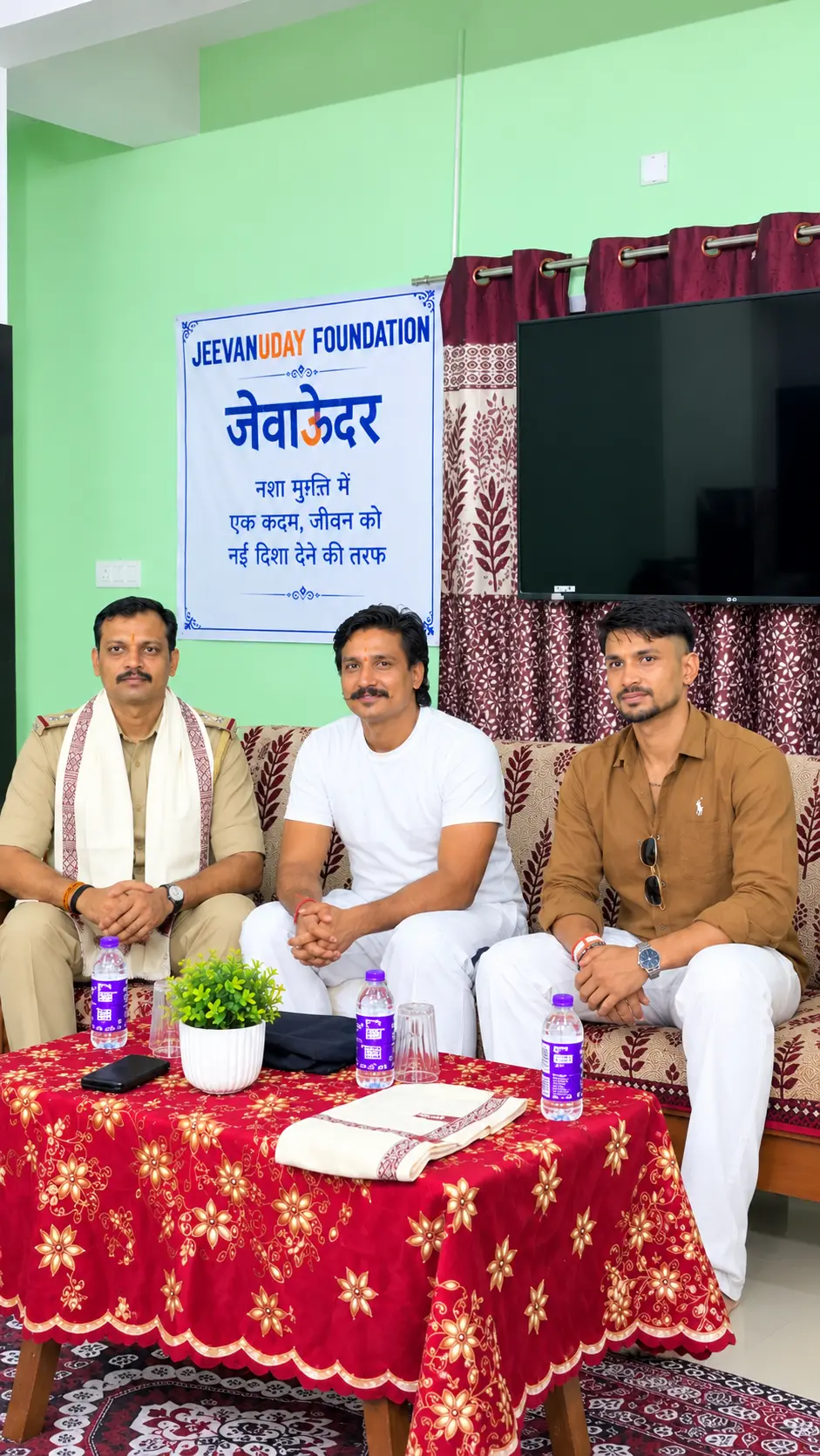
At Jeevan Uday Foundation, the focus is on creating a supportive environment where individuals can work toward healthier habits and continue building their recovery step by step.
What Is a Drug Rehabilitation Centre?
A Drug Rehabilitation Centre is a facility that provides structured support for individuals experiencing problems related to drug use. The rehabilitation process can vary depending on an individual’s circumstances, substance use history and support needs.
Rather than focusing only on stopping substance use, rehabilitation can address different aspects of recovery, including emotional well-being, behavioural patterns, relationships, daily routines and continuing recovery.
A structured rehabilitation program may involve:
- Individual counselling
- Family support
- Recovery planning
- Healthy daily routines
- Wellness and recreational activities
- Relapse-prevention planning
- Continuing recovery support
The specific services and level of professional care required can differ from person to person.
Why Structured Drug Rehabilitation Can Be Helpful
Trying to manage addiction without adequate support can be difficult for many individuals. A structured rehabilitation environment can provide consistency and an opportunity to focus on recovery away from some everyday triggers and pressures.
A rehabilitation program can help individuals work on areas such as:
- Understanding patterns associated with substance use
- Developing healthier coping strategies
- Establishing constructive daily routines
- Improving communication
- Strengthening family support
- Identifying potential relapse triggers
- Setting realistic recovery goals
Recovery is not identical for everyone, which is why individual circumstances should be considered when planning rehabilitation support.
What Happens During Drug Rehabilitation?
The rehabilitation process can differ depending on the individual and the services available at the centre. Generally, the recovery journey may involve several stages.
Initial Consultation and Assessment
The process may begin with a discussion about the individual’s substance-use history, current concerns, personal circumstances and recovery goals. Appropriate assessment helps determine what type of support may be suitable.
Individualized Recovery Planning
A recovery plan can then be developed around the individual’s needs. This may include counselling, behavioural support, wellness activities, family involvement and continuing recovery strategies.
Counselling and Emotional Support
Counselling can provide an opportunity to discuss personal challenges, behavioural patterns, emotional concerns and recovery goals in a supportive environment.
Healthy Daily Routines
Structured routines can help individuals develop healthier habits. Activities may include exercise, yoga, meditation, recreation and other constructive activities depending on the rehabilitation program.
Family Involvement
Addiction can affect family relationships as well as the individual. Family guidance and communication can help relatives understand addiction and learn constructive ways to support recovery.
Continuing Recovery
Recovery does not necessarily end when a residential or structured rehabilitation period finishes. Continuing support, healthy routines and relapse-prevention strategies can remain important parts of the recovery journey.
Drug Addiction Counselling and Recovery
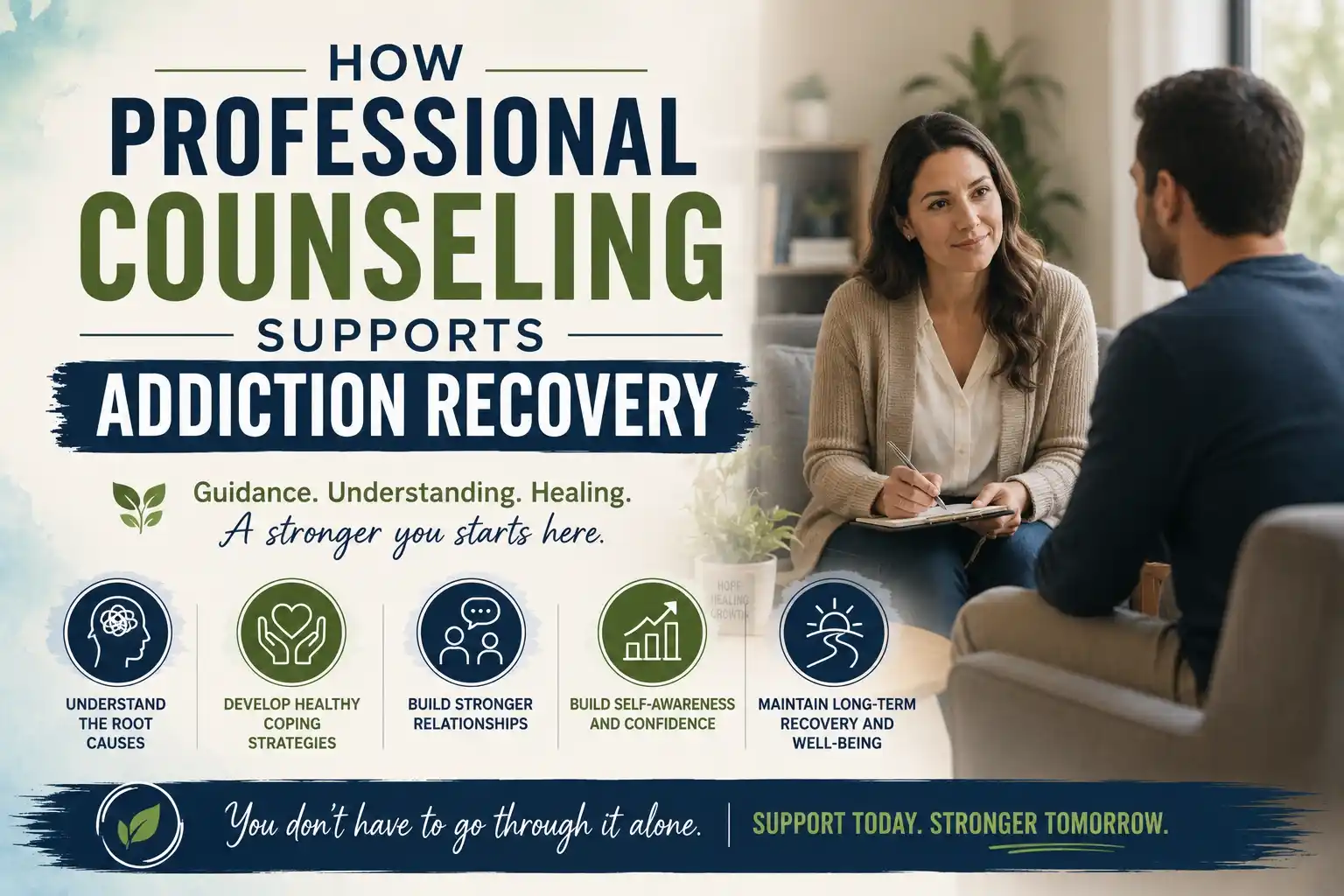
Counselling is an important part of many rehabilitation programs. It can help individuals explore challenges associated with substance use and develop healthier ways of dealing with difficult situations.
Counselling may focus on:
- Emotional challenges
- Behavioural patterns
- Stress management
- Communication
- Family relationships
- Recovery goals
- Relapse-prevention strategies
Your existing article on professional counselling and addiction recovery already discusses these areas in greater depth, so this article should link naturally to it rather than repeating the same material.
The Importance of Family Support
Family members often play an important role in the recovery journey. Understanding addiction can help families respond with greater awareness and provide constructive support.
Family-focused rehabilitation support may address:
- Better communication
- Understanding addiction
- Rebuilding trust
- Setting healthy boundaries
- Supporting recovery goals
- Recognizing situations that may require additional professional help
A supportive family environment can be valuable during rehabilitation and continuing recovery.
Building Healthy Habits During Recovery
Recovery involves more than avoiding substance use. Developing healthier routines can help individuals create a more stable daily lifestyle.
Depending on the rehabilitation program, healthy activities may include:
- Yoga
- Meditation
- Physical activity
- Recreation
- Structured daily routines
- Healthy social interaction
- Personal development activities
Small and consistent changes can become part of a person’s continuing recovery plan.
Relapse Prevention and Continuing Recovery
Relapse prevention is an important part of long-term recovery planning. Individuals may need to identify situations, environments or emotional circumstances that could make maintaining recovery more difficult.
Relapse-prevention planning may include:
- Identifying personal triggers
- Developing healthier coping strategies
- Maintaining constructive routines
- Building a reliable support network
- Knowing when to seek additional professional support
The goal is to help individuals remain aware of challenges and respond to them with healthier strategies.
Choosing a Drug Rehabilitation Centre
When considering a rehabilitation centre, individuals and families may want to understand the type of support provided and whether the approach matches their circumstances.
Useful questions may include:
- What rehabilitation services are available?
- Is counselling included?
- Is family guidance available?
- What type of daily activities are provided?
- How is continuing recovery addressed?
- What professional support is available?
- How are individual recovery needs assessed?
Families should consider the individual’s specific circumstances and seek appropriate professional guidance when necessary.
Drug Rehabilitation Centre in Jamshedpur
For individuals and families looking for addiction rehabilitation support in Jamshedpur, Jeevan Uday Foundation provides a structured and supportive environment focused on recovery.
The centre’s approach includes counselling support, wellness activities, family involvement, recovery planning and relapse-prevention awareness.
If you are exploring rehabilitation options, you can learn more about the dedicated Drug Rehabilitation Centre service at Jeevan Uday Foundation.
Why Jeevan Uday Foundation?
Jeevan Uday Foundation focuses on providing compassionate support throughout the recovery journey. Its rehabilitation approach brings together counselling, structured routines, wellness activities, family support and continuing recovery guidance.
The aim is to provide individuals with a supportive environment where they can focus on healthier choices and work toward sustainable recovery.
You can also explore the foundation’s broader Nasha Mukti Kendra and addiction rehabilitation services to understand the different areas of support available.
Frequently Asked Questions
What is a Drug Rehabilitation Centre?
A Drug Rehabilitation Centre provides structured support for individuals experiencing difficulties related to drug use. Services can include counselling, recovery planning, family support, wellness activities and continuing recovery guidance.
What services can a drug rehabilitation program include?
Depending on the centre and individual circumstances, a program may include counselling, structured routines, wellness activities, family support and relapse-prevention planning.
Is counselling part of drug rehabilitation?
Counselling is commonly included in rehabilitation programs and can help individuals understand challenges related to substance use and develop healthier coping strategies.
Can families participate in the recovery process?
Family involvement may be included through guidance, communication support and education about addiction and recovery.
How long does drug rehabilitation take?
The duration of rehabilitation varies according to individual circumstances, the type of support required and the rehabilitation plan. A suitable duration should be determined through appropriate professional assessment.
Does rehabilitation guarantee permanent recovery?
No rehabilitation program can guarantee a particular outcome. Recovery is an ongoing process and may require continued support, healthy routines and professional guidance.
Conclusion
Choosing appropriate support can be an important step for someone experiencing difficulties related to drug use. A structured Drug Rehabilitation Centre can provide an environment where individuals can focus on counselling, healthier routines, family support, recovery planning and continuing recovery strategies.
Jeevan Uday Foundation provides addiction rehabilitation support in Jamshedpur with a focus on compassionate care and structured recovery support.
If you or your family are exploring rehabilitation options, learn more about the Drug Rehabilitation Centre at Jeevan Uday Foundation and the support available throughout the recovery journey.